


This week, I visited a new client on-site for the first time. One of those that still afford themselves reception staff, not a rotating roster of people from a security firm, but a receptionist, full-time employed there to hold the place together, because let’s be honest, that is what they do. They know the ins and outs of the place and can help with anything, but in a day and age where we primarily speak to chatbots, they are a part of the social fabric. One of those micro interactions that keep us human.
I was a little early and had to wait. I asked for a dinner recommendation for a particular local dish I hadn’t had in a while. Within minutes, people walking past were involved in the discussion, and I left with a handwritten note with an address and directions on how to get there. When was the last time you followed a piece of paper to dinner and not Siri’s artificial voice on your phone? Hours later, after a long day of travel and work, I braved the rain to get there, and it was so worth it.
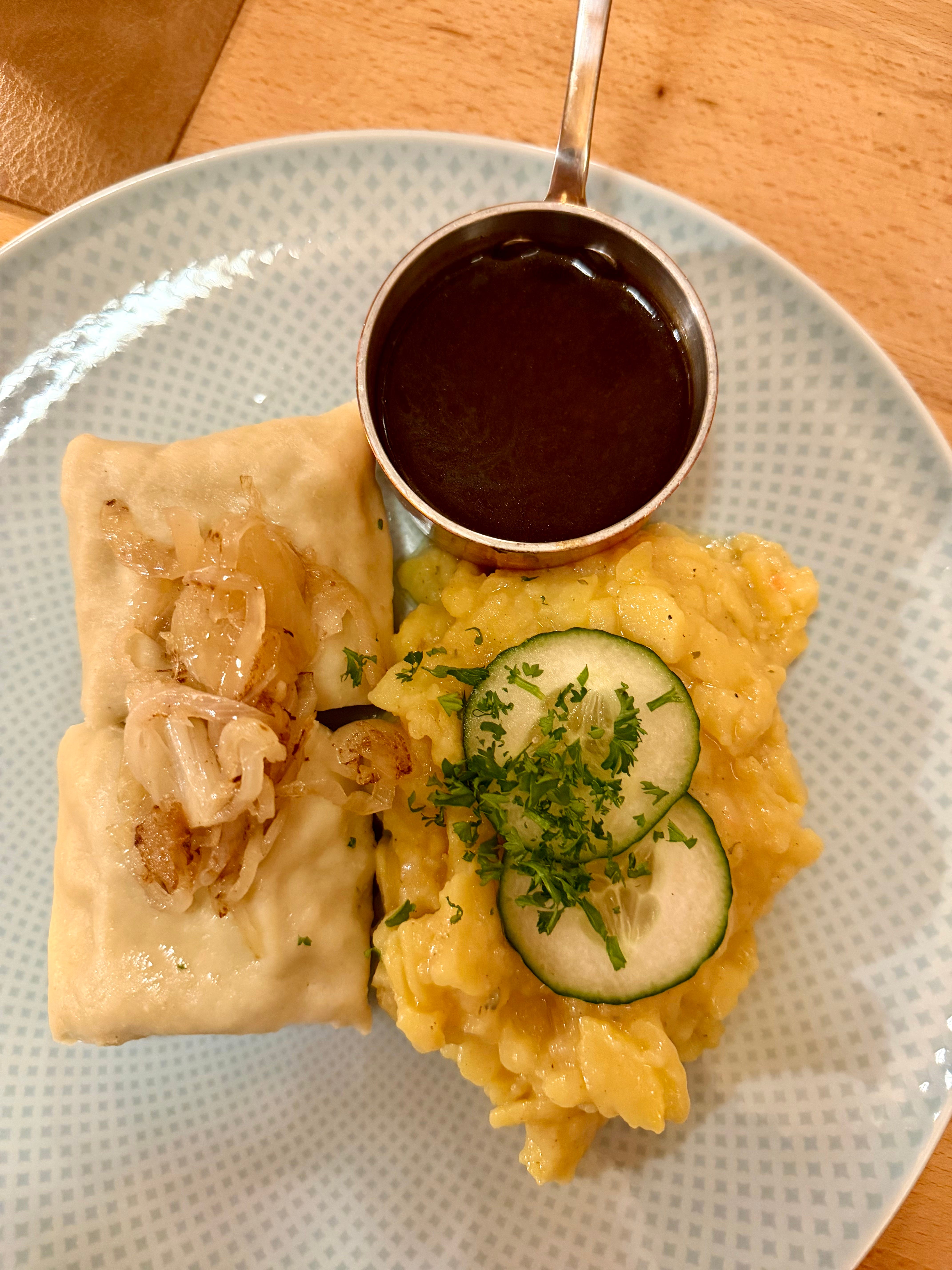
That moment included several things we get to do less and less of. A human interaction outside of our circle and doing something a little hard for a reward IRL - dragging my tired body back out of the hotel through the rain for great food, which I might not have done, would the recommendation not have been from a fellow human being but the internet. If you want to dive deeper into why this matters and why we should reclaim those moments, read it in Rebecca Solnit’s words; she says it better than I ever could.
Me for my part, got thinking about the micro interactions we still have or do not have anymore within our work and why those matter.
Often when designing workshops, I plan for a lot of room for breaks and unstructured interactions, because at many places I work, the workshop day is one of the very rare days where people meet in person. The surface-level reason for this additional space is that they will use the occasion to quickly figure stuff out in person that they had meant to speak about anyway, and save themselves one or several meetings the following week. If we start looking at it through the lens of micro interactions and in-person moments, there is so much more than just info. Posture, voice, a raised eyebrow, and our mirror neurons are firing. Truly understanding if the colleague is on the same page.
Now we are already at a win-win. Info and true alignment, where we are sure we read the other person’s reaction correctly and are on solid ground moving forward.
And if we now zoom out even further in person interactions with a person outside of our closest circle is what we have been losing the last couple of years and is what we are slowly starting to understand is doing damage to how our brain builds relationships and how important relating to other human beings is not only for our ability to collaborate but for our mood regulation, our sense of self, our identity, in essence all the things that make us human.
So if you see a longish coffee break on the next workshop agenda, do not think of it as being a waste of time.
In reality, it not only saves meeting time down the line - there is your efficiency win, but it also contributes just a little bit to the sanity and happiness of your people in the long run, and I guess that is worth the 10 additional minutes.